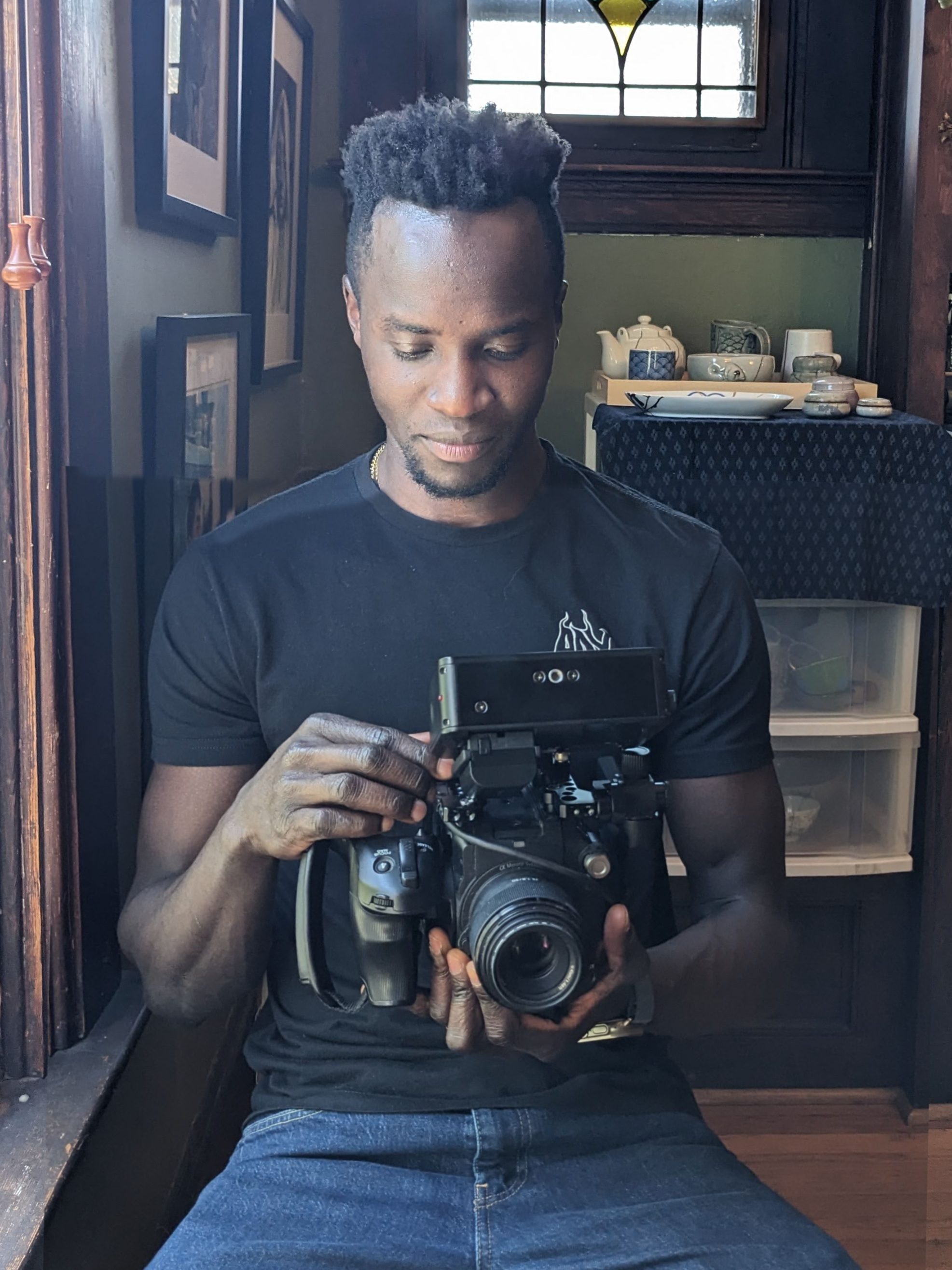
Director’s Story & Vision
When I was six, every Saturday at 9 a.m., my father took my nine siblings and me to the beaches of Mombasa, Kenya to explore the tide pools at low. Those joyful mornings were cut short when he died from malaria, a completely treatable illness. Seeking stability, we moved to his village in eastern Uganda, only to find his land had been sold off. With nowhere else to go, we moved into our grandfather’s tiny shack near the Uganda–Kenya border.
Just as life began to feel more stable, the 2007 Kenyan election violence erupted. I still remember waking to gunfire and the screams of my neighbors. My mother told us to be ready to run. A few hours later, we fled. My next clear memory is waking up on a UN bus approaching a refugee camp.
Living in that camp is where I began to understand what it meant to be displaced, invisible, and voiceless. And yet, even there, life found a way. My uncle took us in and enrolled us in school. In a world that had told me I didn’t belong; education became my anchor.
Years later, I received an opportunity to come to the US to study, and I carried with me a deep desire to make sense of everything I had lived through. That desire brought me to pursue filmmaking. I wasn’t only interested in the camera, I was drawn to the power of witnessing. I realized that I had grown up surrounded by stories, happy ones, quiet ones, powerful ones, that I had never shared. Storytelling became a way to preserve memory, dignify struggle, and give voice to the unseen.
In recent years, I started a video production company, creating stories for nonprofits and artists. When I was invited to join the project in the Peruvian Andes, it immediately drew me in. As I learned about bats, I began to see my own story reflected in theirs. Misunderstood and often unseen, bats are vital to ecosystems, but climate change and human expansion are driving them from their homes. They, too, are being displaced, just as I once was.
That realization brought my purpose into focus. I want to create a film that makes room for the small, unseen lives that move through the night, inviting people into the magical world of bats. I want to show how ordinary individuals can come together to uplift the silenced and make a meaningful difference. I know what it means to lose shelter, to flee danger, and to survive in silence. I know the cost of being invisible. By weaving my own story with the ecological struggles of bats, I hope to bring new depth to how we talk about climate change and the displacement it creates.
Film Director | Storyteller
Why This Film, Why Now
Community Engagement
Public events will connect people directly with the research team, building trust and opening dialogue in a time when science is under threat.
A Reason for Hope
This film reminds viewers that despite the scale of global change, there is still beauty worth protecting, and that people working together can make a meaningful difference.
Making Science Accessible
By blending cinematic storytelling with real research, the film turns complex science into an experience that feels personal and understandable. It aims to strengthen climate literacy through curiosity and empathy.
Conservation Impact
The film provides a powerful visual tool for conservation partners, helping build community support, and strengthen conversations with stakeholders.
Education & Outreach
Footage will support open-access educational materials for classrooms, museums, social media, and community outreach, expanding who can learn from and engage with this research.
Museums & SciArt Exhibitions
Screenings, small exhibits, and SciArt installations will bring the film to audiences who may not seek out scientific research, using art and storytelling to create new pathways into scientific understanding.
Target Audience
Wildlife & Wild Places
For anyone curious about animals, dramatic landscapes, and the remote places where exploration happens, from nature lovers to those simply drawn to discovering new places
Resilience & Belonging
For anyone who has experienced change, transition, or the search for home, and who resonates with stories about resilience, identity, and finding connection in unexpected places.
Families & Young Learners
For families looking for meaningful, accessible content that sparks curiosity about wildlife, the environment, and the people working to protect our shared planet.
Climate & Conservation
For people who care about the planet in any capacity, whether deeply involved in environmental work or just beginning to explore how climate change affects the world around them.
Story & Film
For viewers who enjoy powerful stories, cinematic visuals, and films that connect personal experience with larger global themes.
Artist & Education
For artists, students, educators, and lifelong learners who are excited by creativity, discovery, and the ways art and science can help us understand our world differently.
Creative Vision & Style
Finding Home in the Dark highlights the importance of bats and the fragile mountain ecosystems they inhabit, showing how climate change reshapes these environments and why their protection matters. It explores how scientific discovery and artistic interpretation can work together to reveal the hidden dynamics of a changing world. By blending research, storytelling, and visual art, the documentary invites viewers to see nature through a more personal and empathetic lens, sparking curiosity, connection, and a desire to protect what is at risk.
Themes

Visual Style
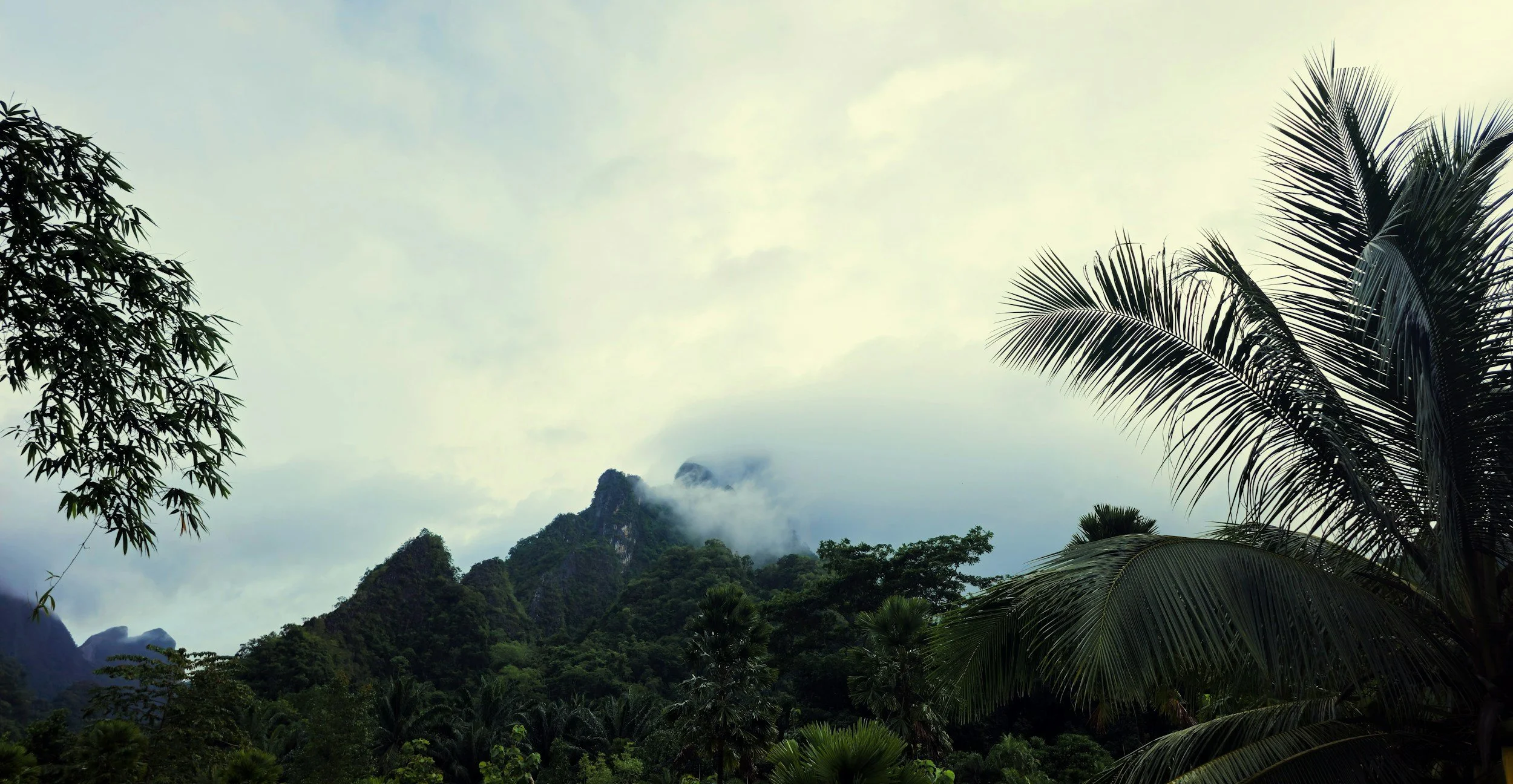
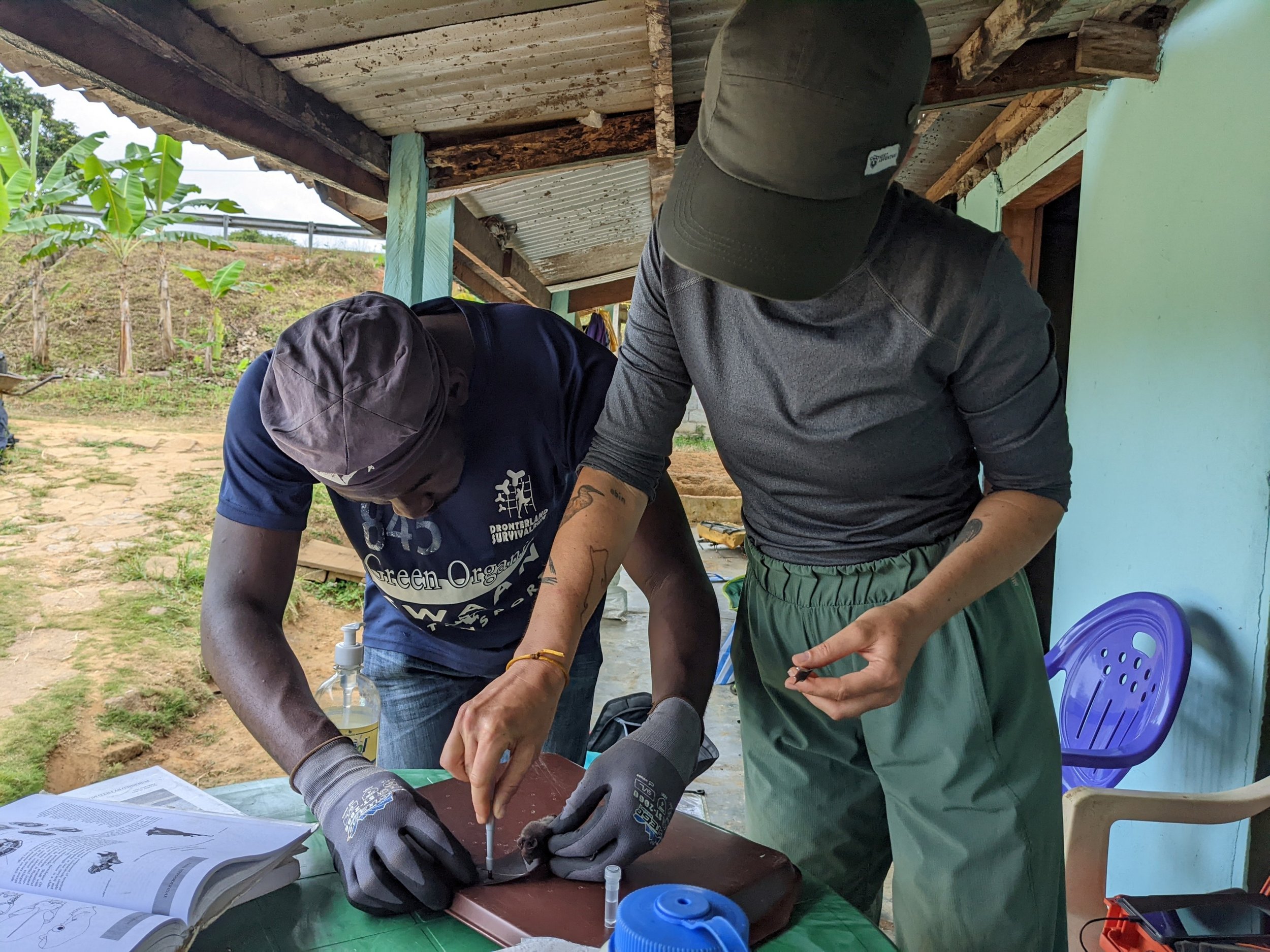
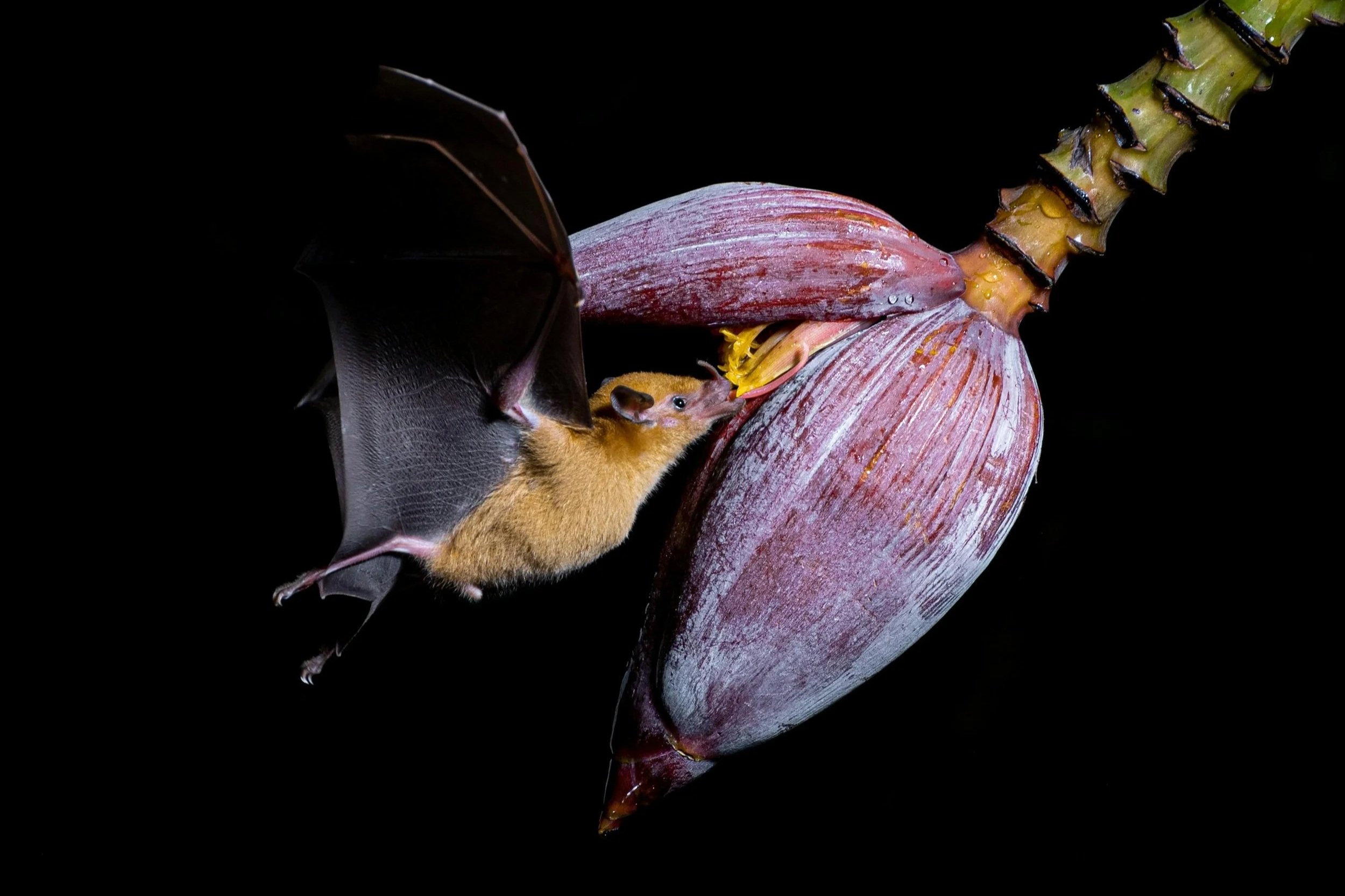
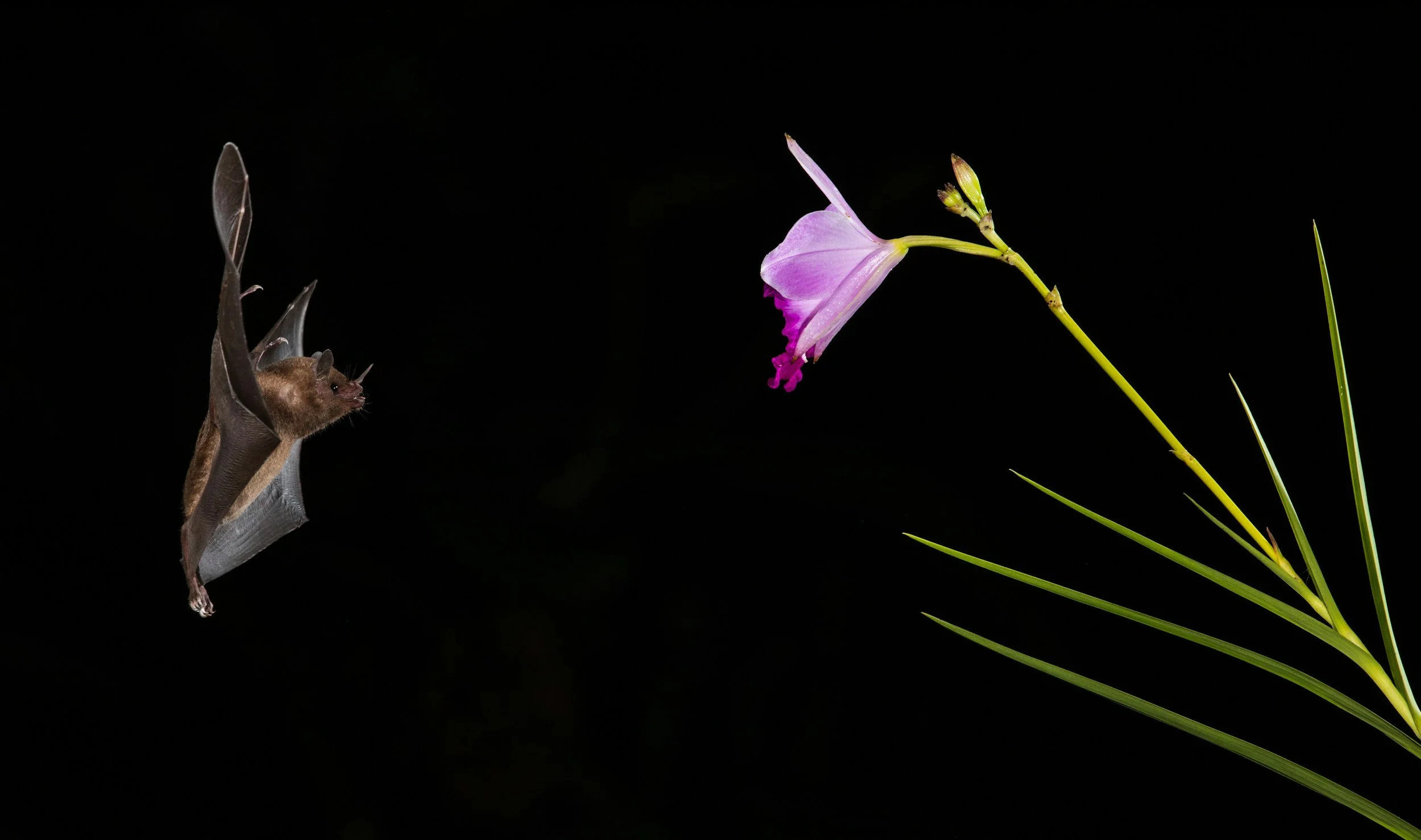
Visual Aesthetics—The film blends aerial views of the Andes with intimate close-ups of bats, people, and moments of discovery. Its visual style moves between the vastness of Manú’s landscapes and the details that often go unnoticed, echoing the film’s themes of visibility, vulnerability, and connection. By pairing dramatic natural scenery with grounded, observational shots of fieldwork, the film captures both the grandeur of the environment and the human stories unfolding within it.
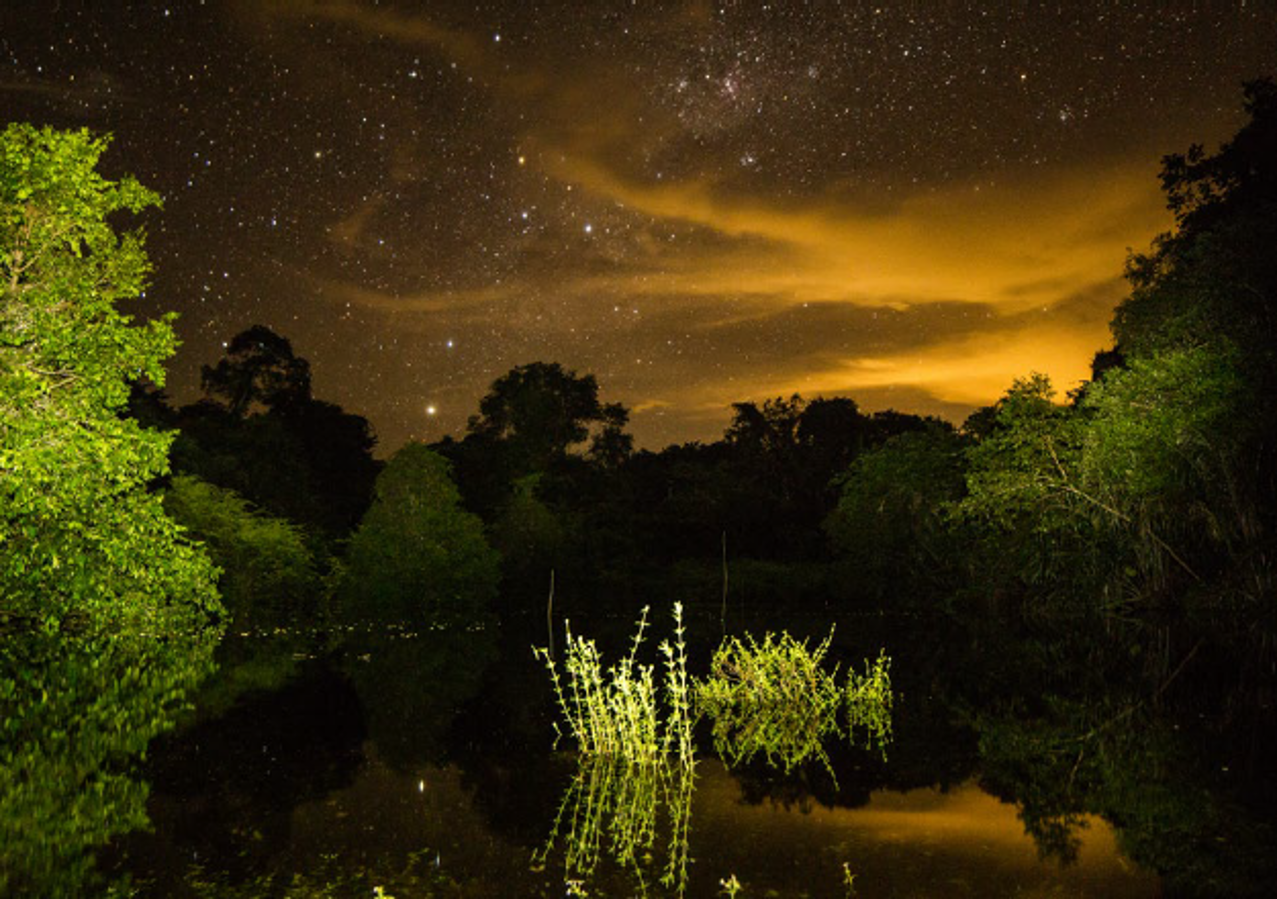
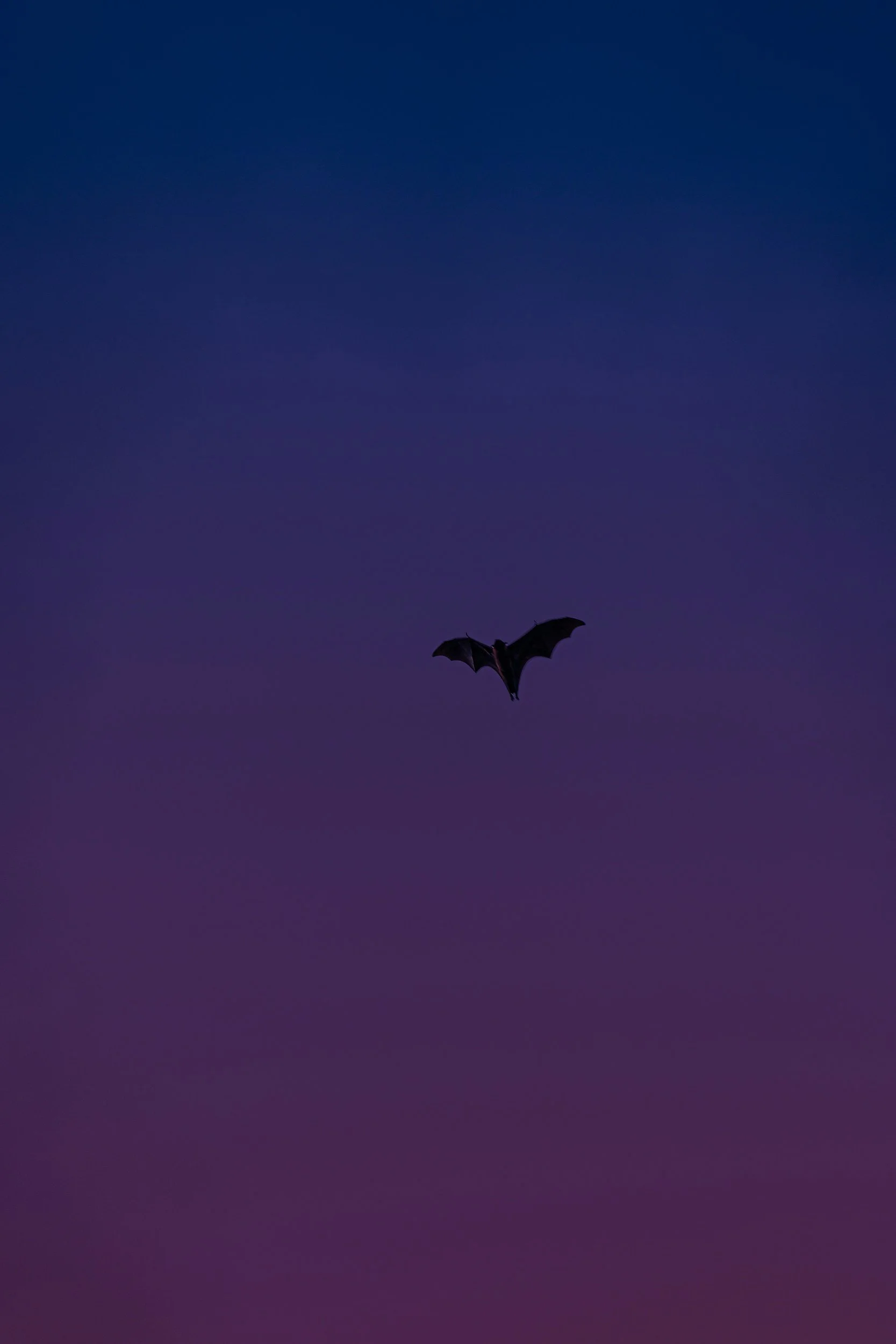
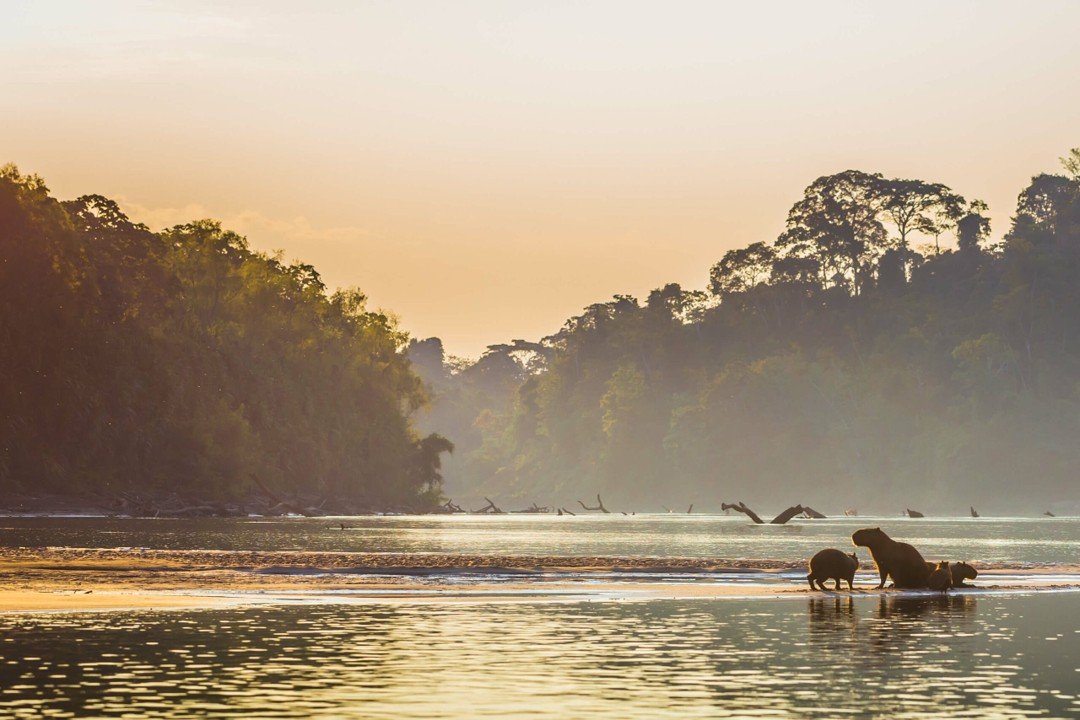
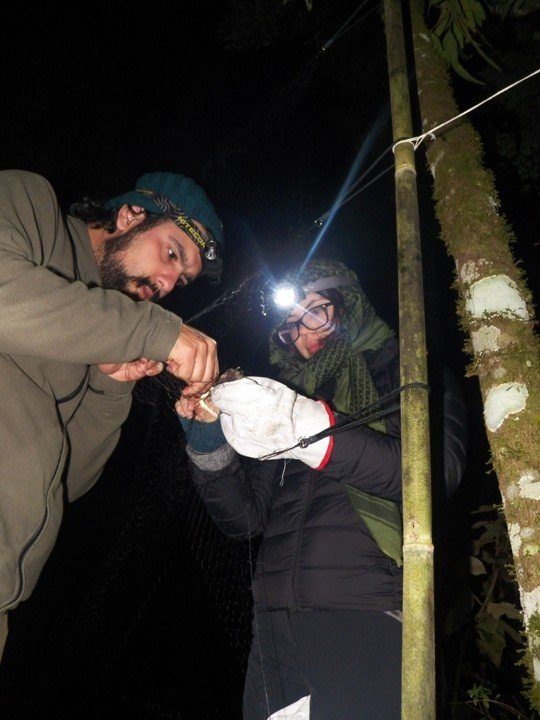
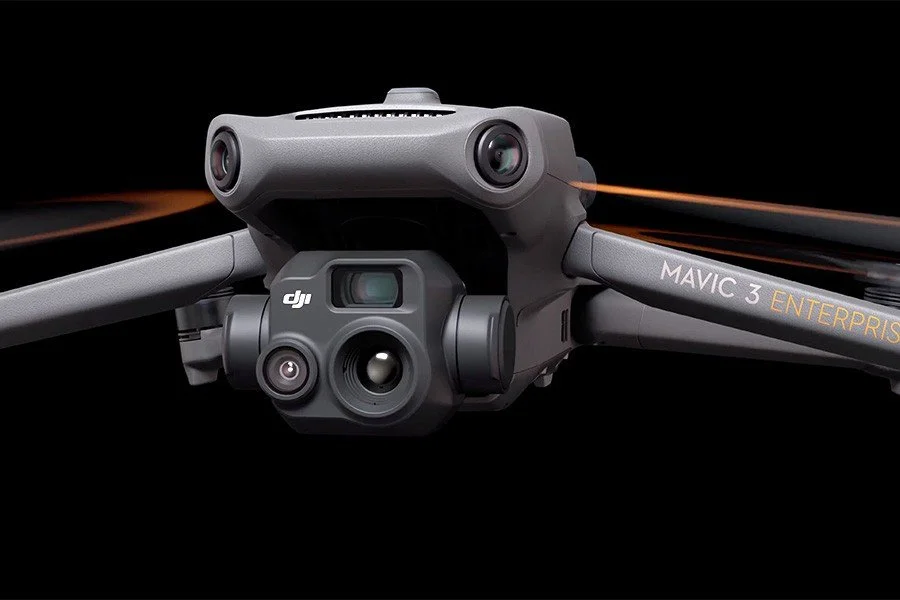
Atmospheric Elements—We will use natural light, soft dawn glow, shifting forest shadows, and the warm hues of dusk to create a quiet, immersive sense of place and reflect the daily rhythm of the Andean ecosystem. At night, the film takes on a more mysterious tone. Red lights, used to avoid disturbing bats, cast a subtle warmth over fieldwork and highlight the careful coordination of the research team. Thermal drone imagery reveals the heat signatures of bats in flight, hidden canopy movement, and the vibrant nocturnal world. Together, these elements create a visual experience that is both scientifically authentic and cinematically immersive.
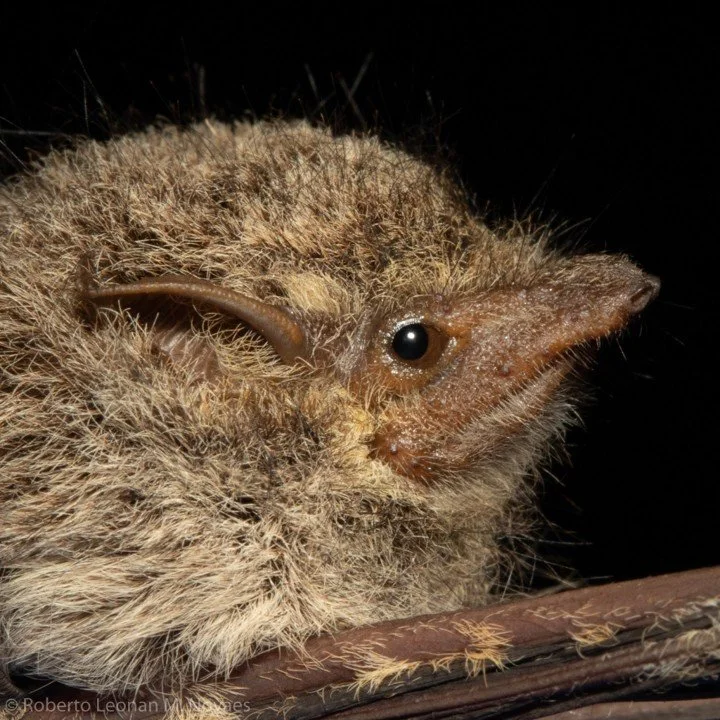
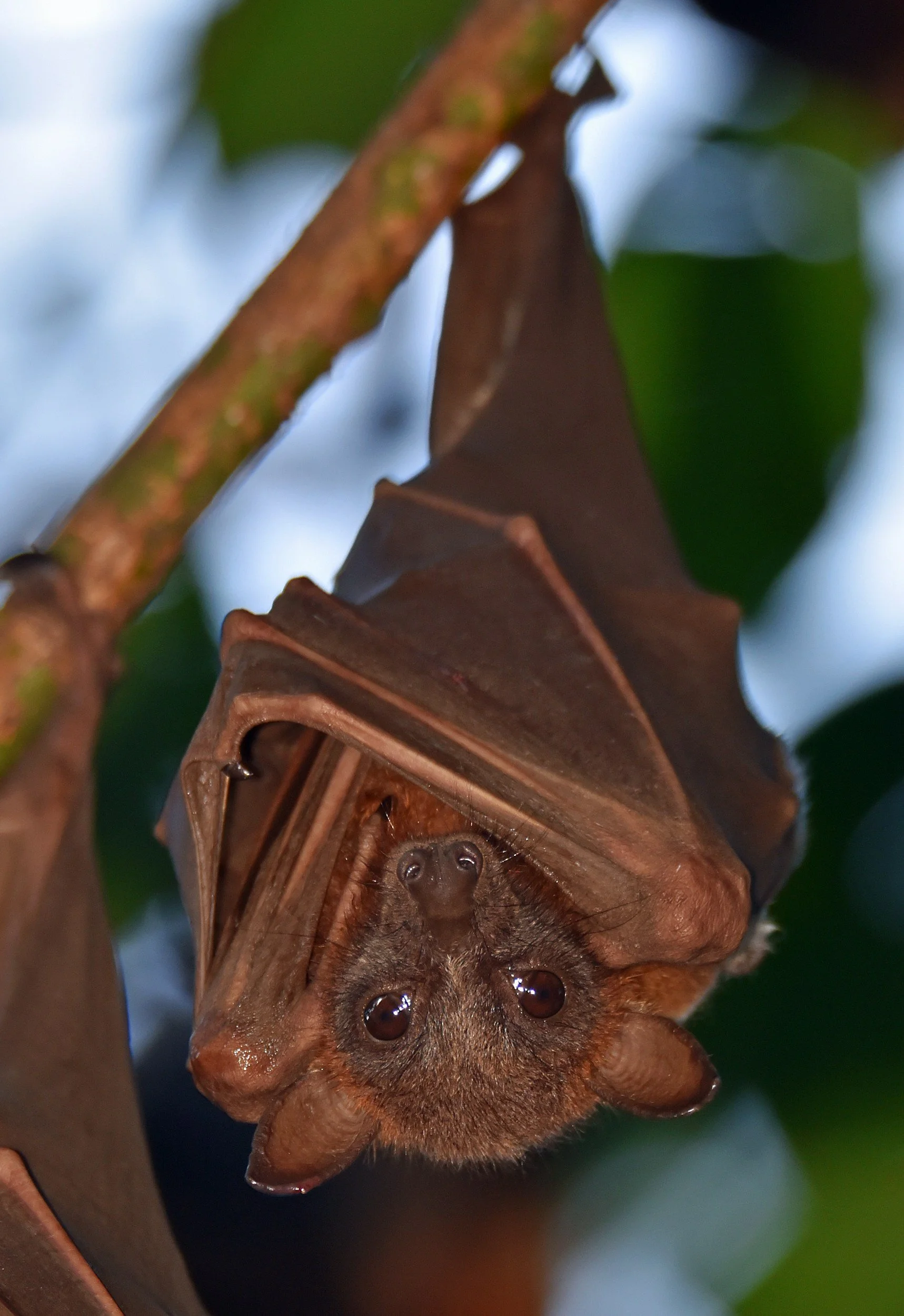
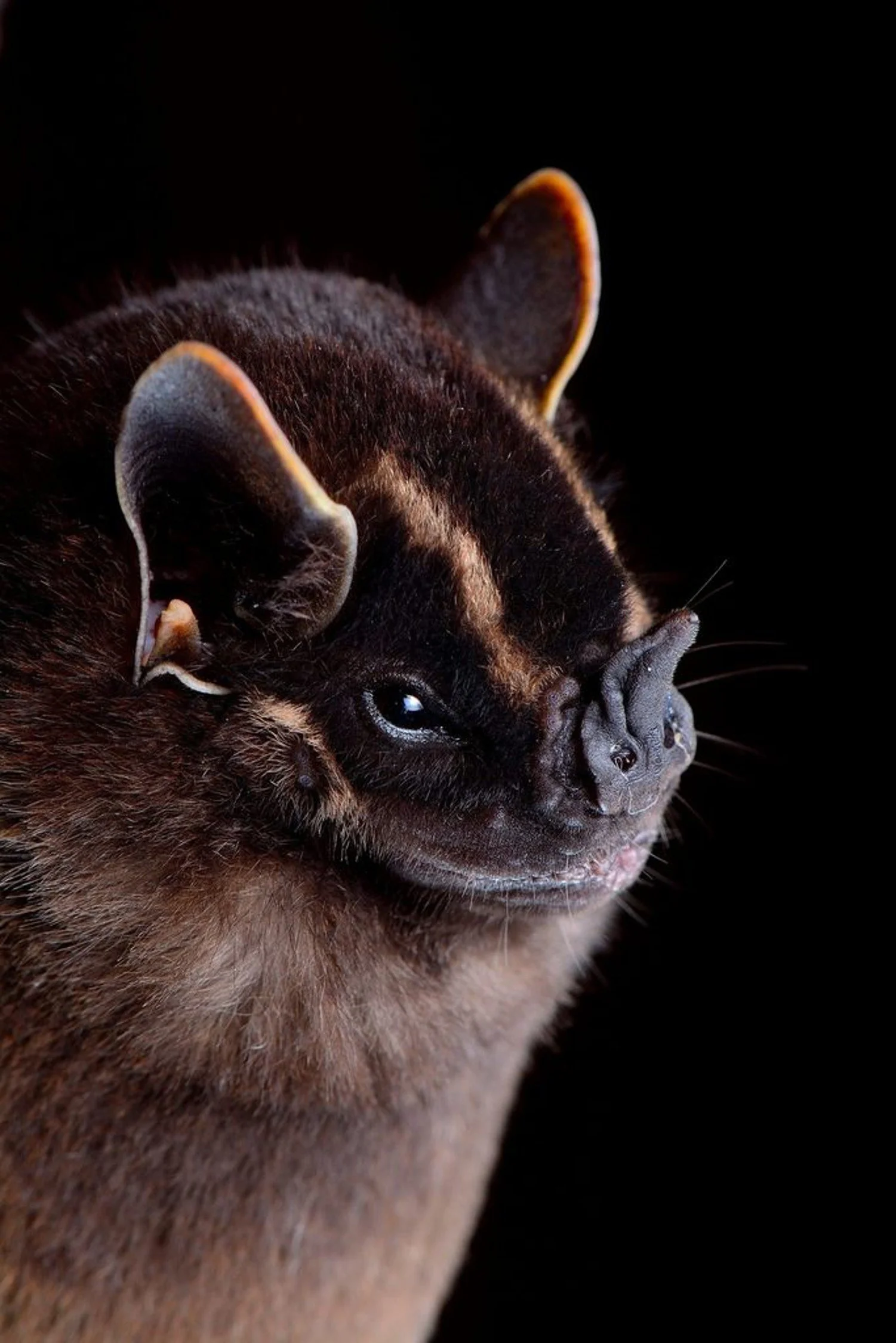
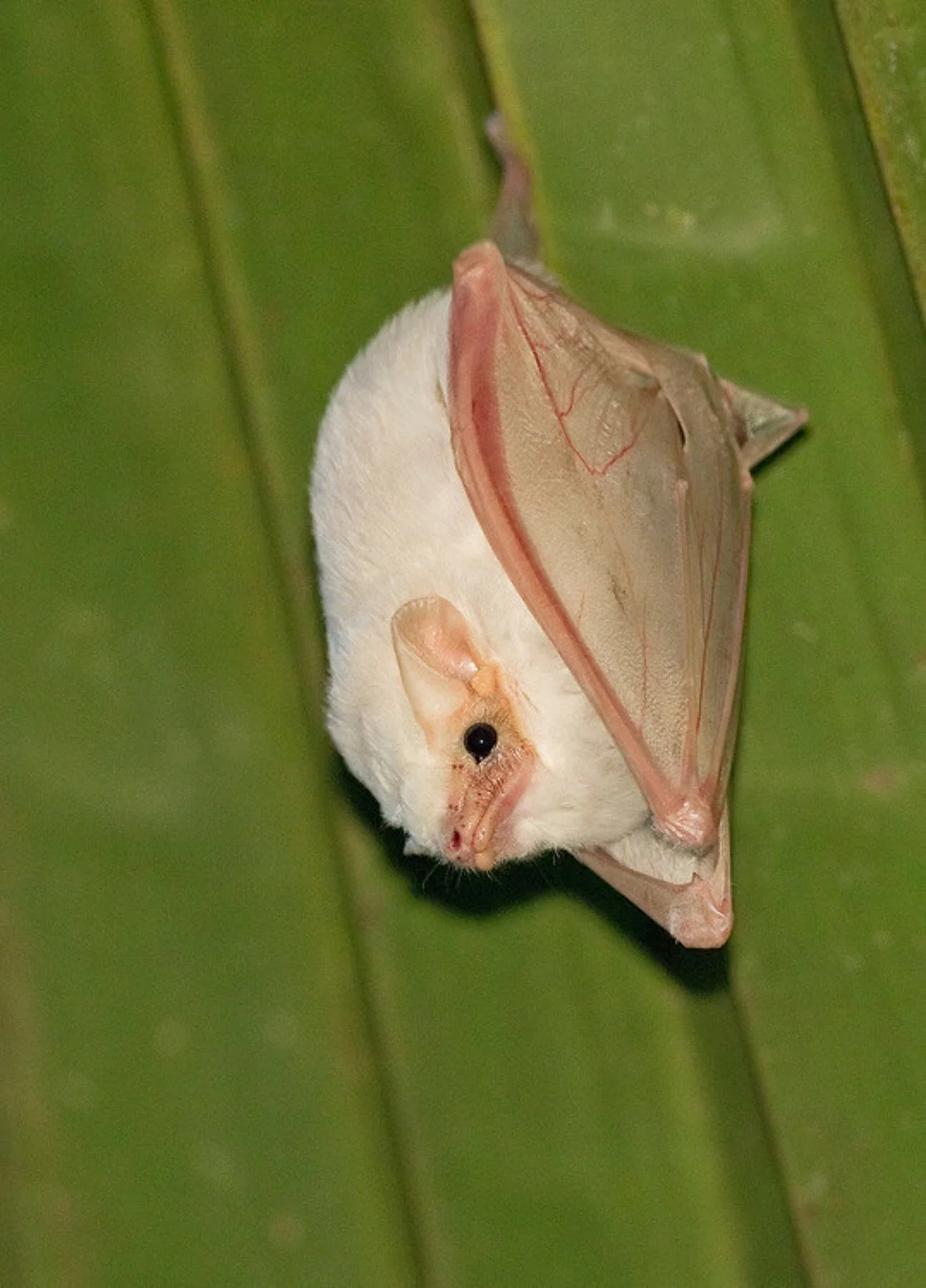
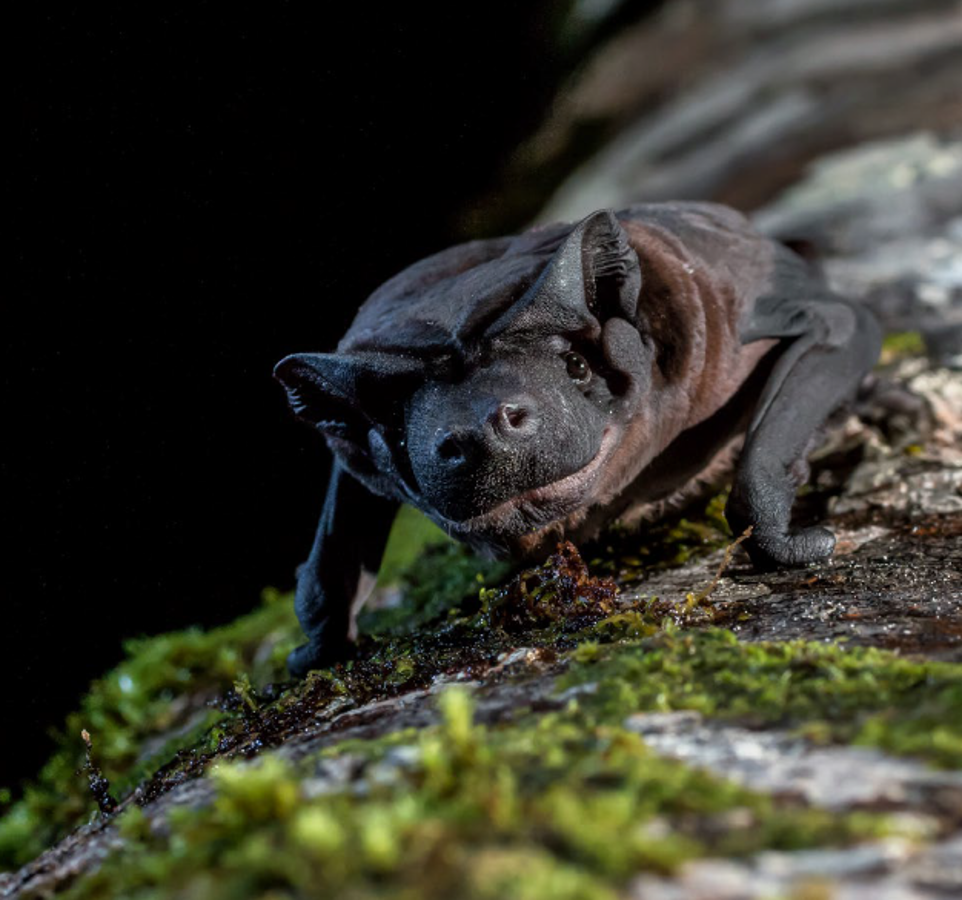
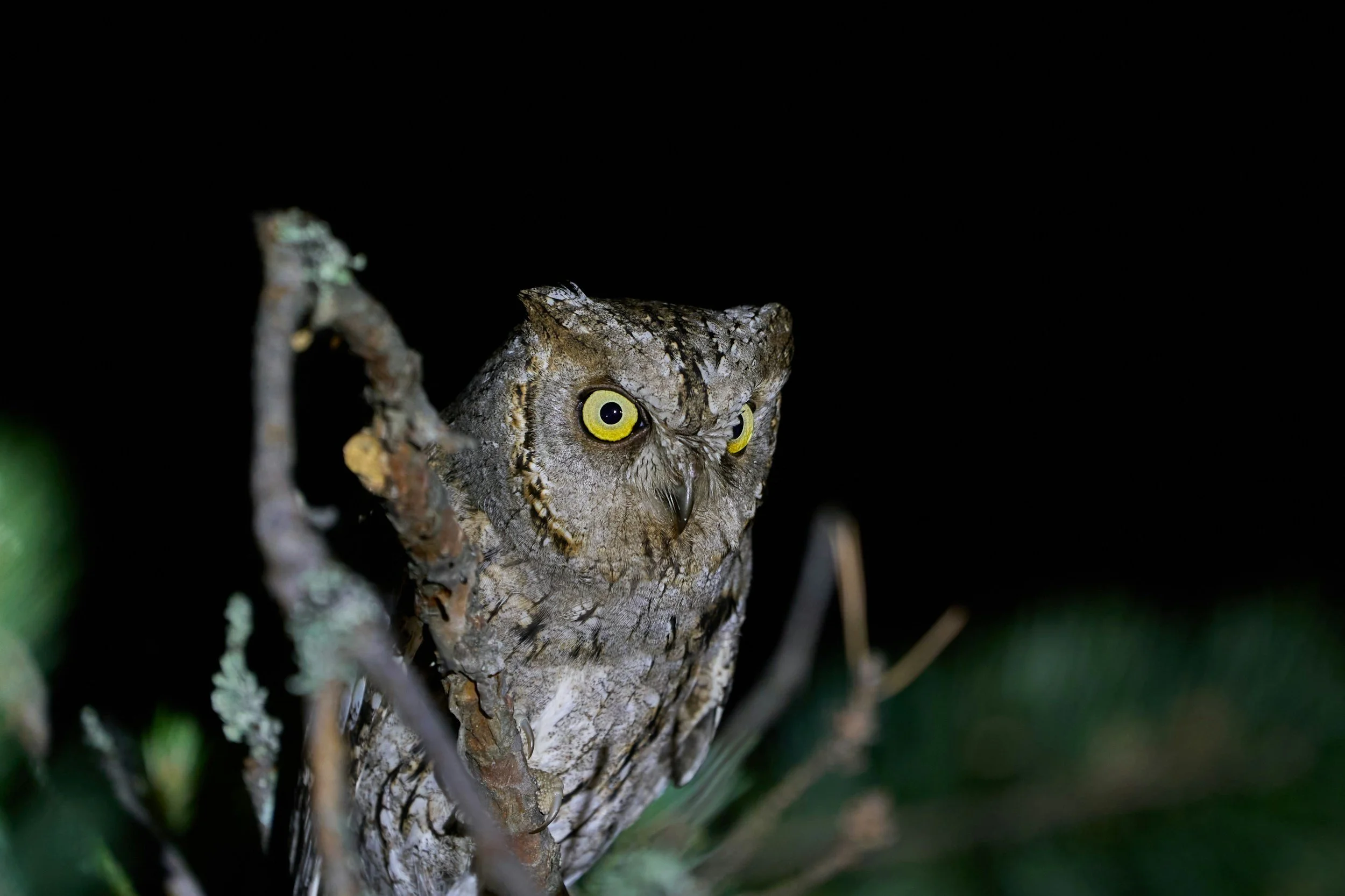
Character Portraits—Close-up shots highlight the expressive details of both the people and the bats, revealing resilience, curiosity, and the quiet charisma that drives their stories.
Location & Setting
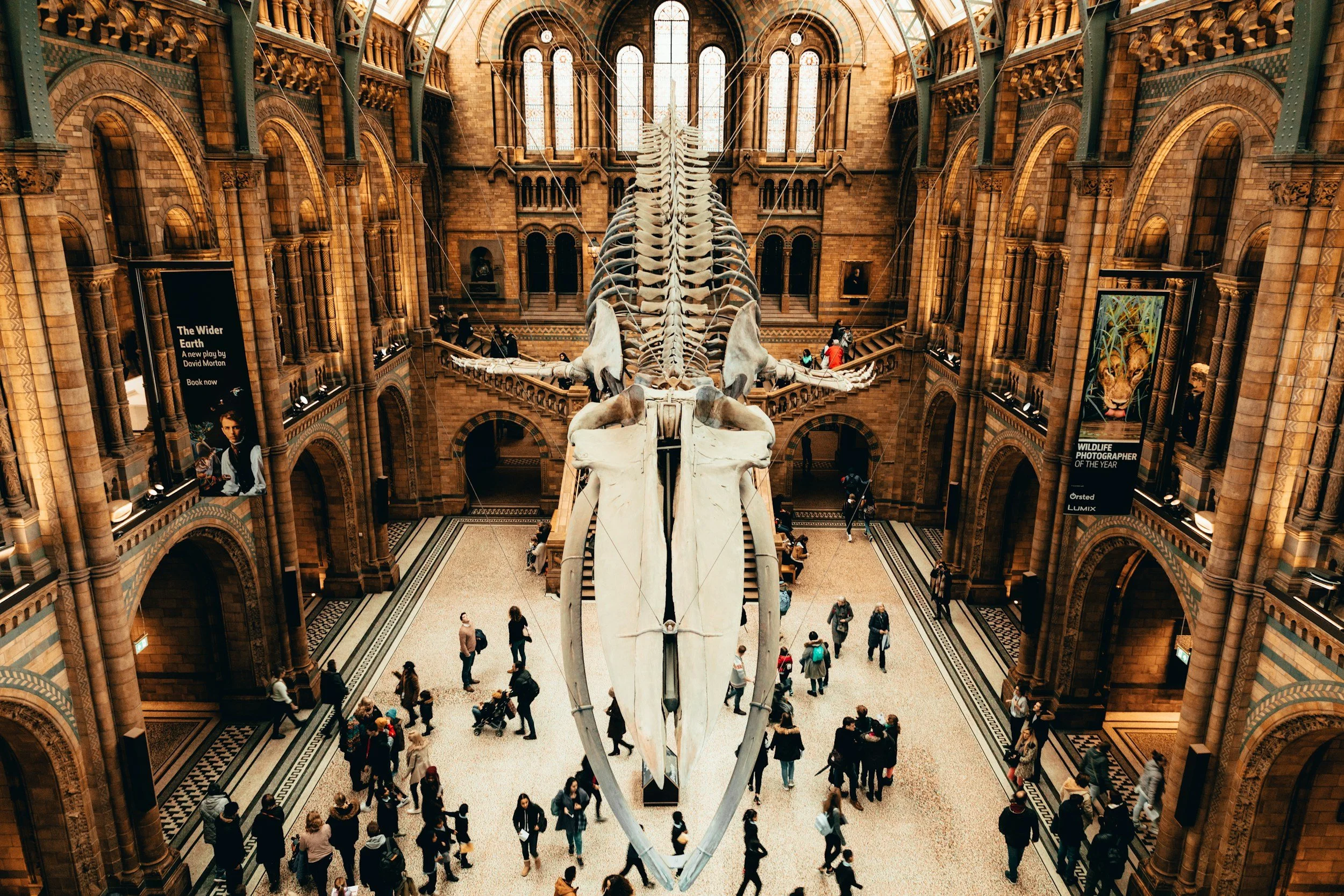
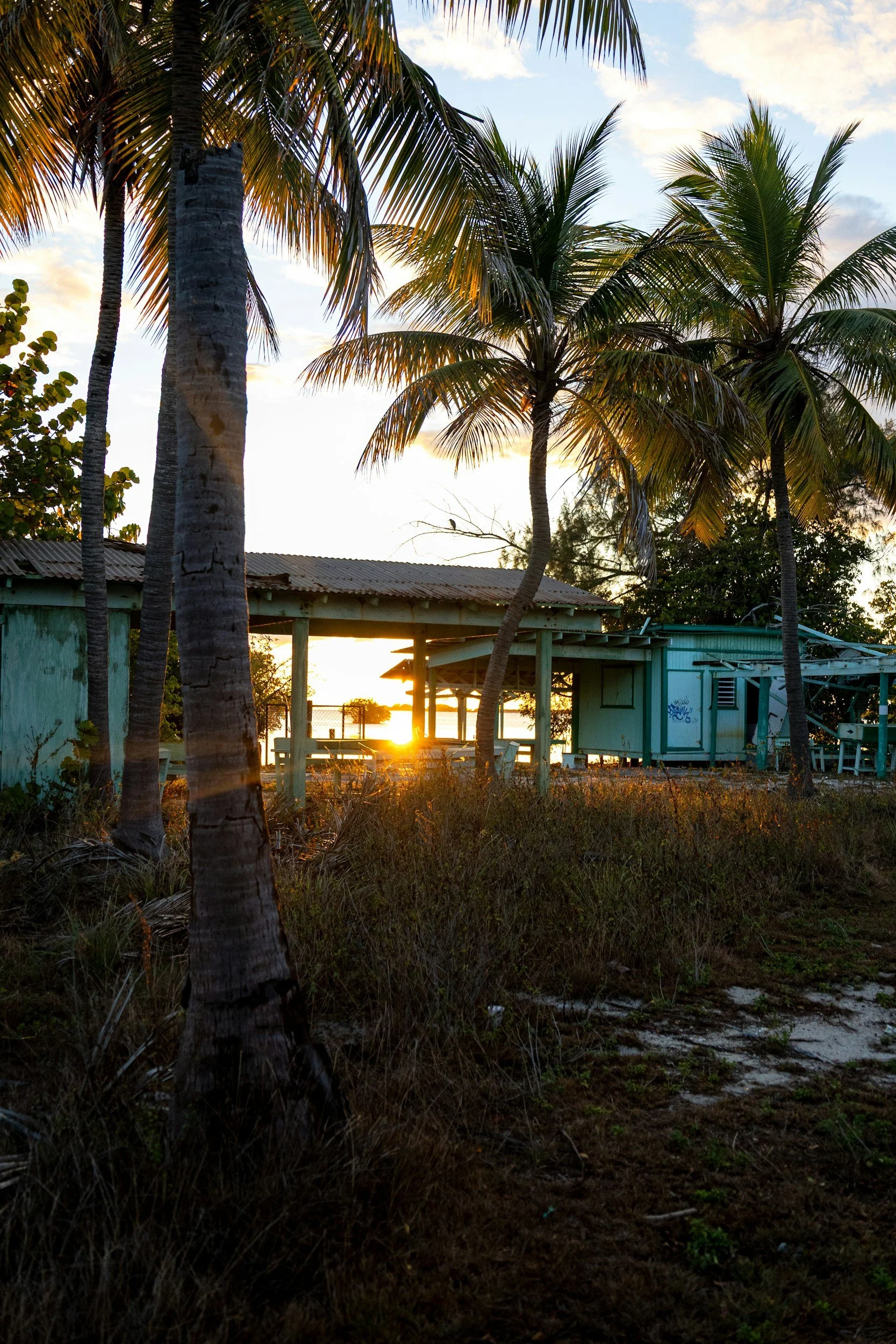
The film moves through a wide range of settings, cloud forests, Peruvian towns and cities, research stations deep in the Andes, museums, and art studios. These contrasting environments create a dynamic backdrop, capturing both the intensity of fieldwork and the quieter moments of reflection that shape the story.

Gear
This documentary uses professional, field-ready equipment built for challenging, low-light environments. Cinema-grade Sony cameras and telephoto lenses, thermal imaging to document bats in their natural habitats, and a DJI Mavic 3 thermal drone allow us to capture intimate wildlife moments alongside the scale of the Andean landscape. This approach supports responsible, unobtrusive filming and brings audiences into the field by revealing details often invisible to the human eye.