
A return to one of the world’s most biodiverse mountains
At the turn of the millennium, scientists from the Field Museum of Natural History led an ambitious biodiversity survey in the tropical Andes. Working along a single mountain slope in Peru’s Manú National Park, a UNESCO World Heritage Site and global biodiversity hotspot, researchers documented an extraordinary concentration of life: 222 mammal species, alongside hundreds of bird species.
These surveys, conducted between 1999 and 2001, created a rare scientific time capsule. Thousands of specimens, detailed field notes, and preserved tissues now housed at the Field Museum provide one of the most complete historical baselines for understanding tropical mountain biodiversity. More than 25 years later, this expedition returns to the same mountain slope … asking a new and urgent question: how has climate change reshaped life along this slope?
What the team is doing
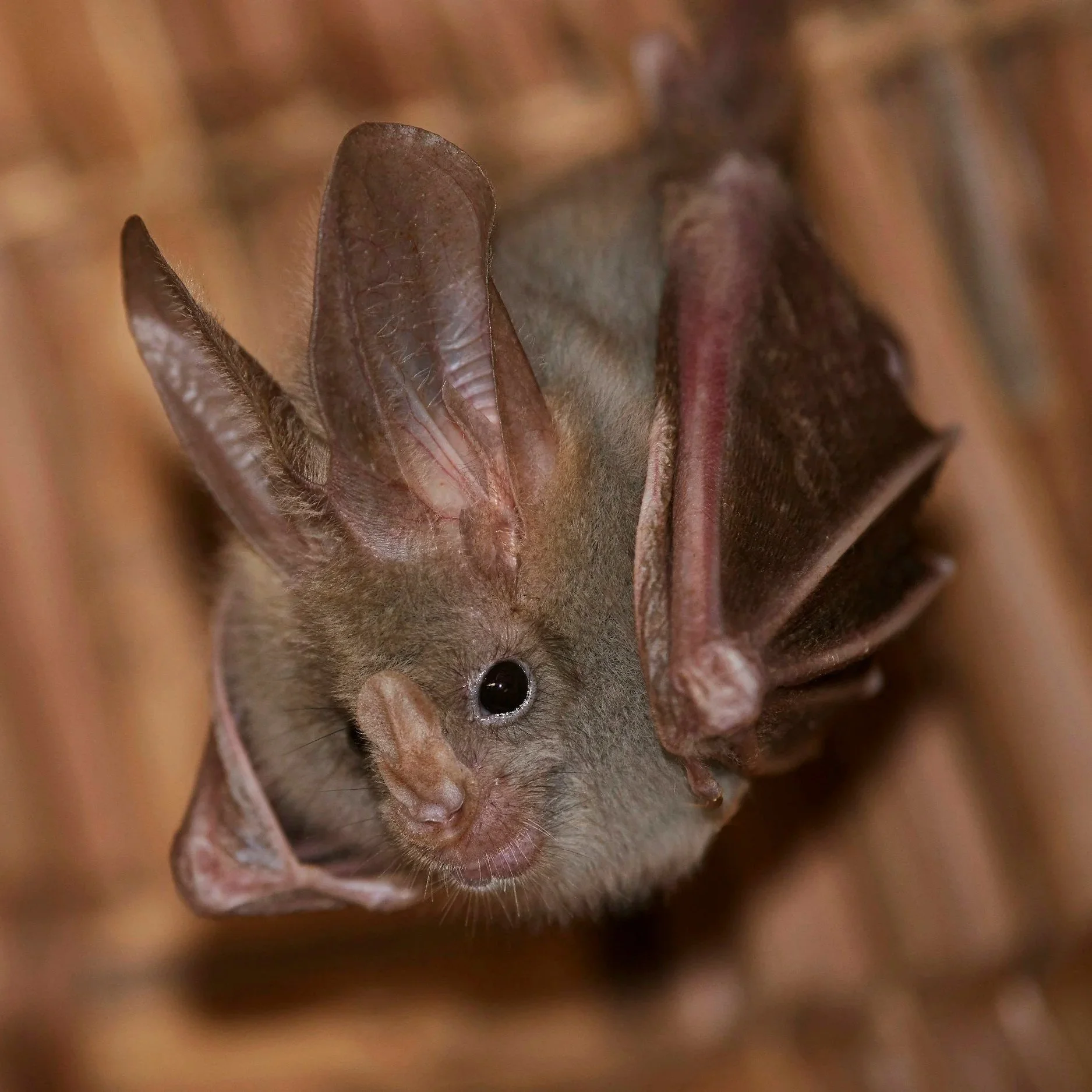
The expedition brings together scientists, students, and artists to resurvey bat communities along the same Andean elevation gradient studied 25 years ago, closely mirroring the original surveys. The work includes multiple graduate student projects examining bat–plant interaction networks, social communication in bats, and molecular responses to climate change. Additional teams will study birds alongside bats, allowing comparisons across major animal groups.
Art–science collaboration
Interwoven with the research is a SciArt collaboration that transforms scientific data into visual art and public storytelling. Through exhibitions, talks, and educational materials, the expedition extends beyond the field, connecting museum collections, climate science, and human experience to help broader audiences understand what is at stake.
Together, science and storytelling make this expedition more than a resurvey. It becomes a living record of change and a call to protect the fragile systems that sustain life in the mountains.

Why the Andes matter
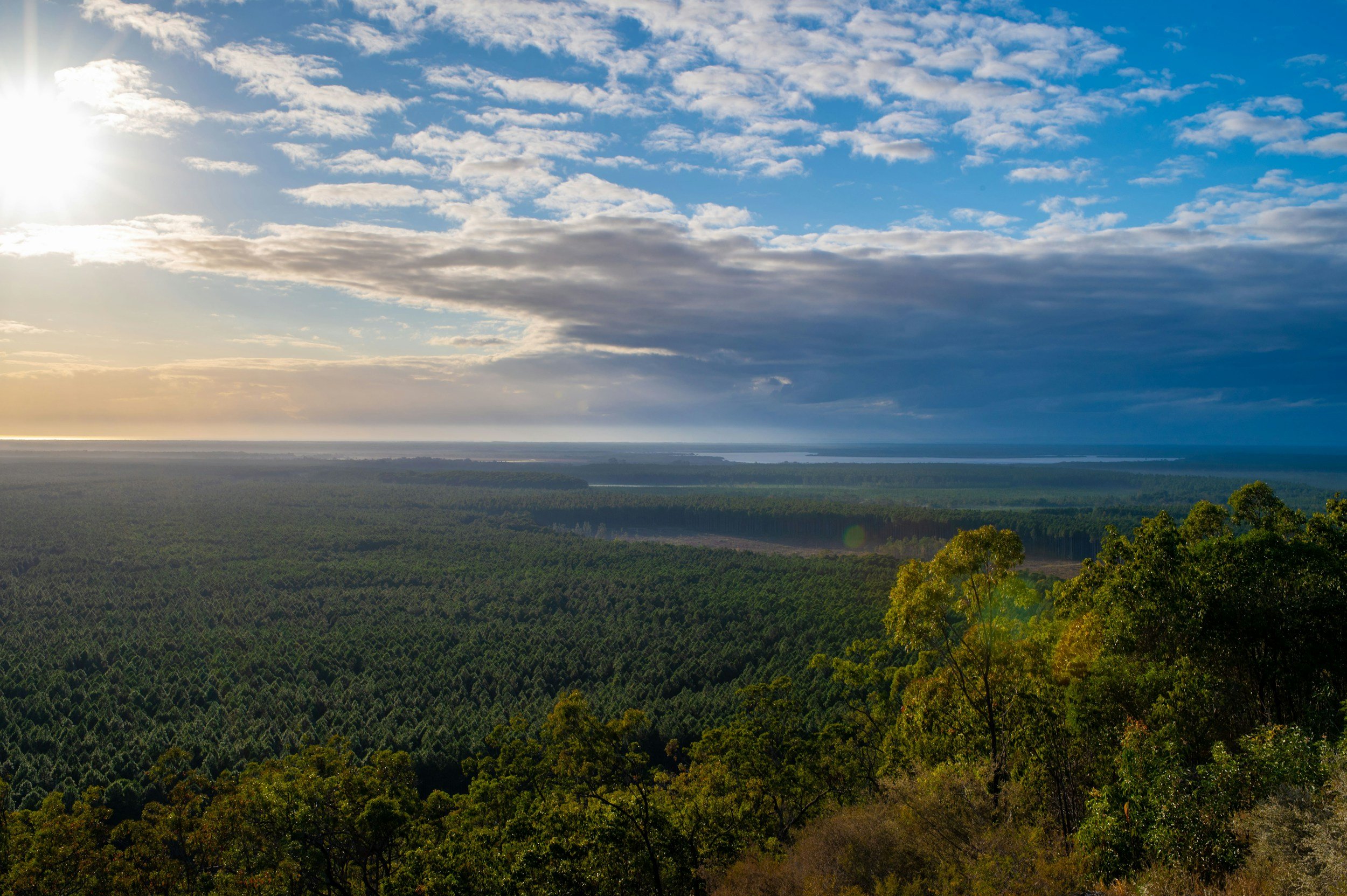
Although mountains cover only a small fraction of Earth’s surface, they harbor the majority of the planet’s terrestrial biodiversity. Tropical mountains like the Andes are especially important, and especially vulnerable. As temperatures rise, many animals are shifting their ranges upslope. But mountains have limits. When species reach the top, habitat disappears, increasing the risk of population collapse and extinction. Understanding these changes is critical for conservation, yet long-term data from tropical mountains remain extremely rare.
Why bats?
Bats are central to this story. In tropical ecosystems, bats often make up more than half of all mammal species and play essential roles in pollination, seed dispersal, insect control, and nutrient cycling. Their physiology makes them especially sensitive to heat and dehydration, and their slow reproductive rates mean populations can struggle to recover from rapid environmental change. Because bats are long-lived and respond gradually to shifting conditions, comparing present-day communities to those documented decades ago offers a powerful window into how climate change is already altering ecosystems, not in the future, but now.

The documentary
The documentary allows this work to reach audiences far beyond academic publications. Film footage will be used in SciArt exhibitions, adding movement and bringing audiences directly into the field. By pairing science with story, the documentary helps capture attention, spark empathy, and show how climate change connects all lives, highlighting why understanding one another, and the natural world, is essential to our shared survival.